
Post RFQ
Service Hotline
19920083827
Tick the specs you need to submit them together; or enquire one by one. Cat. numbers are carried into the RFQ.
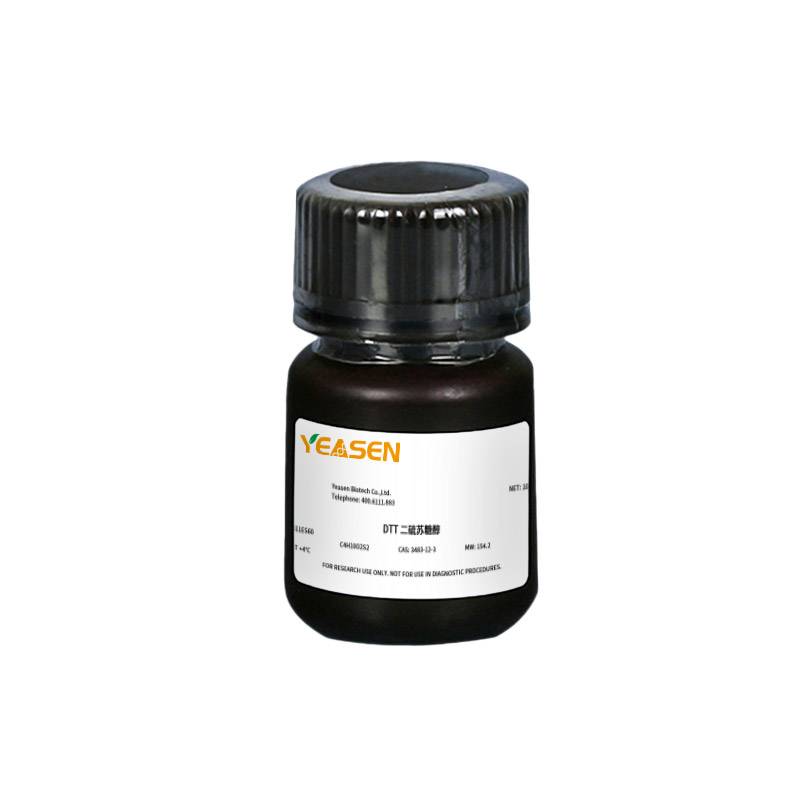

Q:该产品的工作液保质期是多久?
A:DTT 粉末的稳定性很高,但是工作液必须现配现用,多余液体需丢弃。
Q:该产品可以在室温下配置工作液吗?
A:该产品有毒,最好在通风橱里操作。
Q:常用工作液浓度?
A:蛋白巯基还原实验 DTT 的常用工作浓度是 1-10 mM。
Q:该产品可以室温储存吗?
A:最好 4 ºC 干燥保存。
Published citations
[1] Li B, Song S, Wei X, Tang G, Wang C. Activation of microlipophagy during early infection of insect hosts by Metarhizium robertsii. Autophagy. 2022;18(3):608-623. doi:10.1080/15548627.2021.1943179(IF:16.016)
[2] Wang S, Hao Q, Li J, et al. Ubiquitin ligase DTX3 empowers mutant p53 to promote ovarian cancer development. Genes Dis. 2020;9(3):705-716. Published 2020 Nov 21. doi:10.1016/j.gendis.2020.11.007(IF:4.803)
[3] Feng H, Tang J, Zhang P, Miao Y, Wu T, Cheng Z. Anti-adipogenic 18,19-seco-ursane stereoisomers and oleane-type saponins from Ilex cornuta leaves. Phytochemistry. 2020;175:112363. doi:10.1016/j.phytochem.2020.112363(IF:3.044)
 Human IgG 人免疫球蛋白G
36110ES
 Bovine Serum Albumin(BSA), PCR Gra...
36100ES
 SuperSignal MaxiSignal Maximum Se...
36224ES
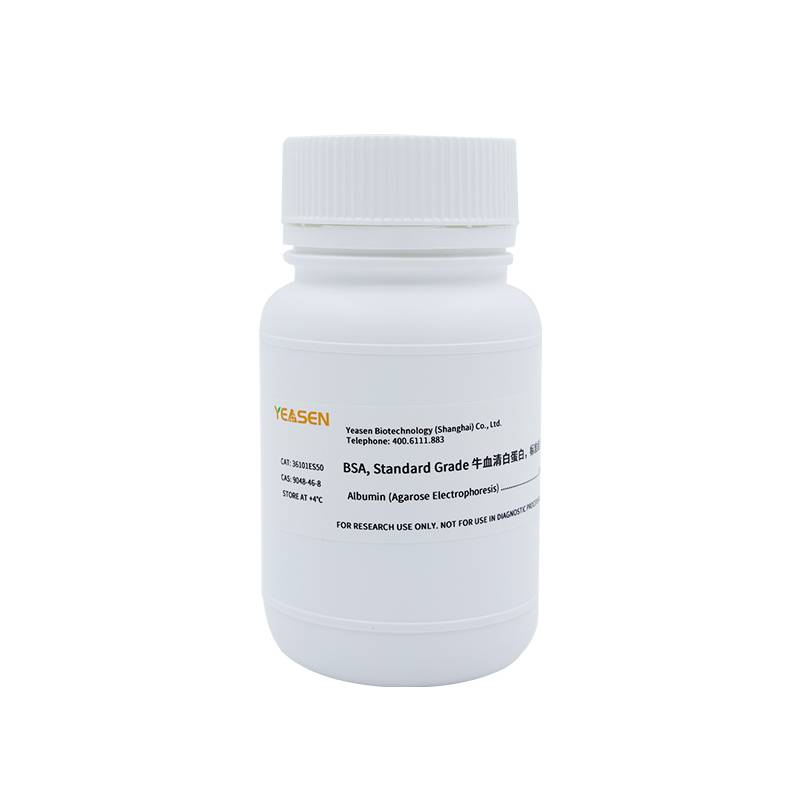 Bovine Serum Albumin(BSA),Standard...
36101ES
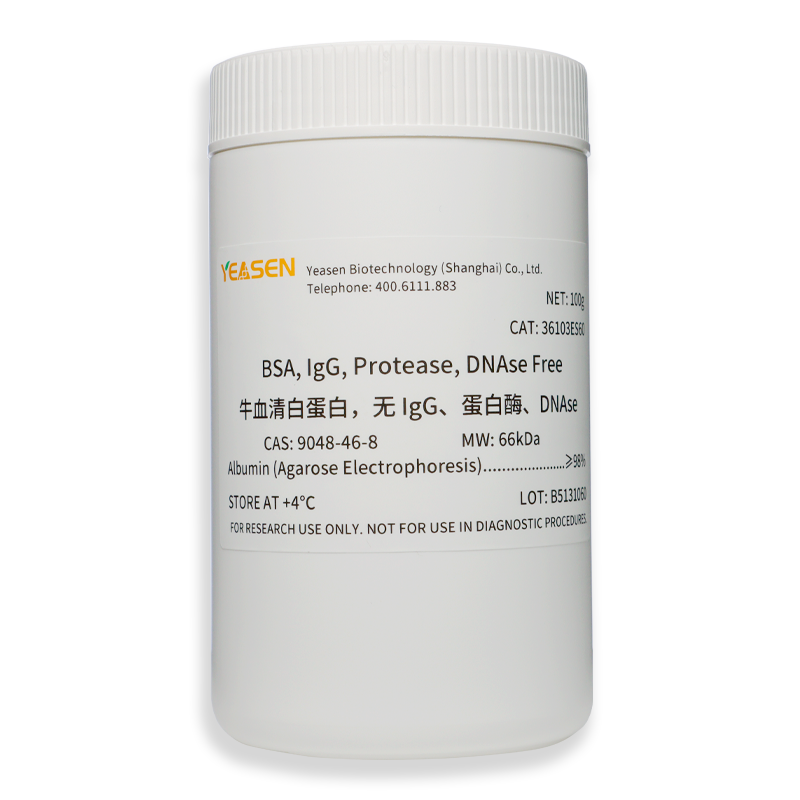 Bovine Serum Albumin(BSA), IgG,Pro...
36103ES
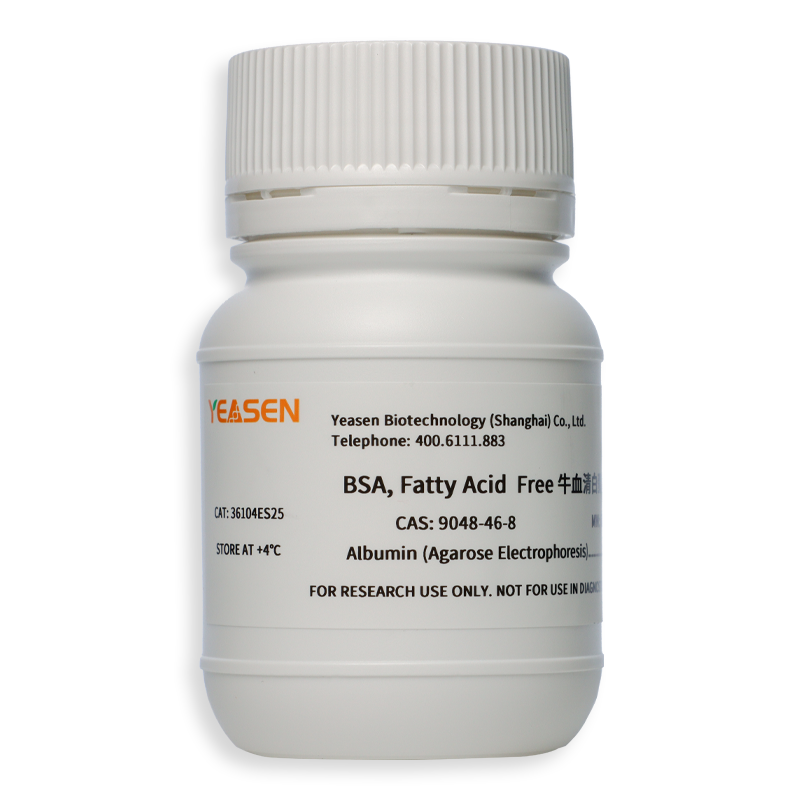 Bovine Serum Albumin(BSA), Fatty A...
36104ES
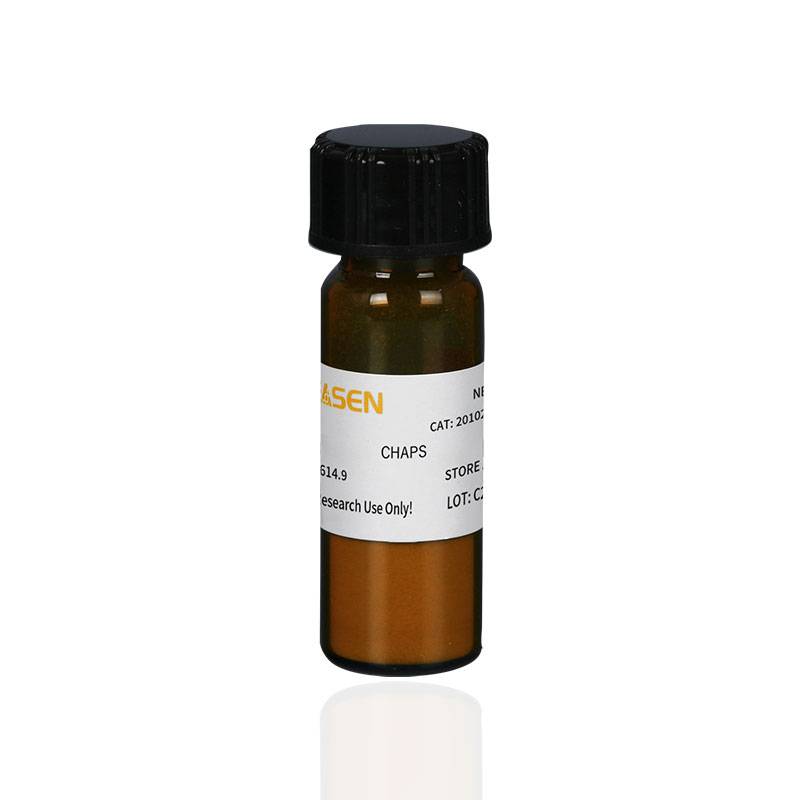 CHAPS
20102ES
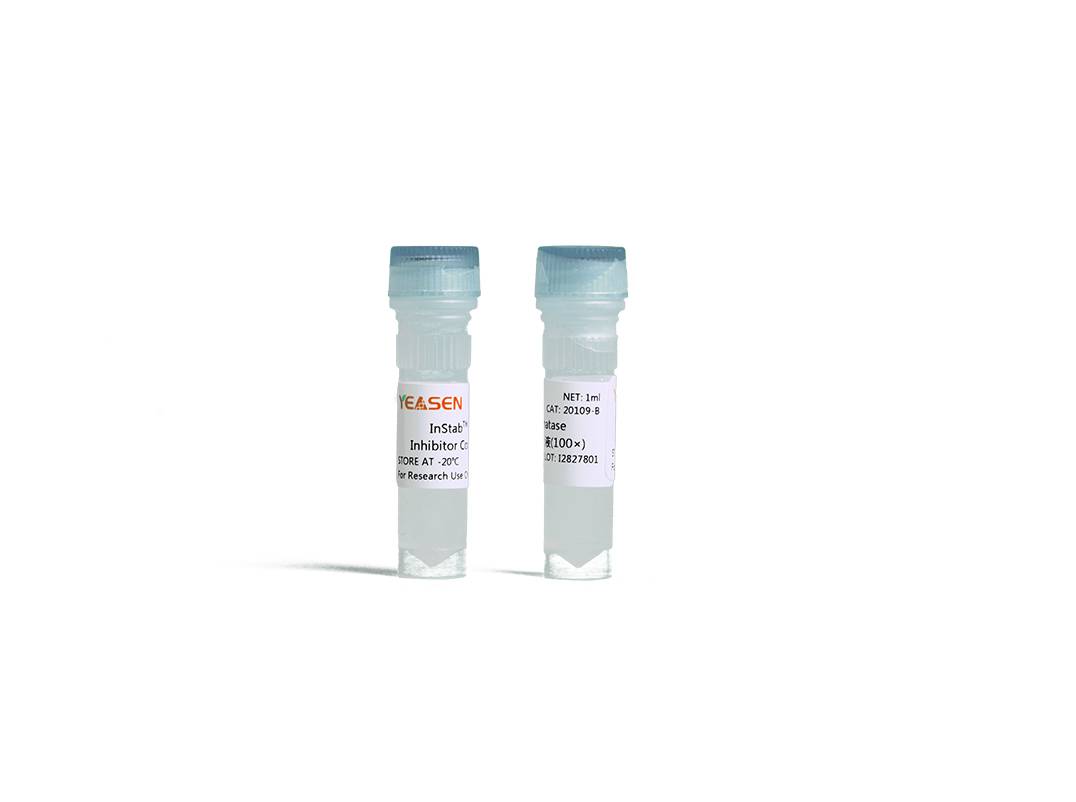 InStab™ Phosphatase Inhibitor Cock...
20109ES

